What I Learned Shooting with the Tamron 28-200mm
I bought the Tamron 28-200mm F2.8-5.6 Di III RXD as a one-lens travel solution and ended up learning more about my own shooting habits than I expected. One afternoon in a Japanese botanical garden — moving between dimly lit indoor display rooms and the bright open pond outside — forced me to work the full range of that barrel. Here is what the data from those 13 frames actually taught me.
Lesson 1: Let ISO Ride Indoors — Stop Chasing f2.8
The indoor flower rooms were gorgeous and dark. My instinct before this lens was always to open to the widest stop and keep ISO as low as possible. The Tamron tempted me the same way: f2.8 is right there at the wide end. But when I looked at the frames I kept, most of the keepers were shot at f4.5, not f2.8, and ISO was already at 3200.
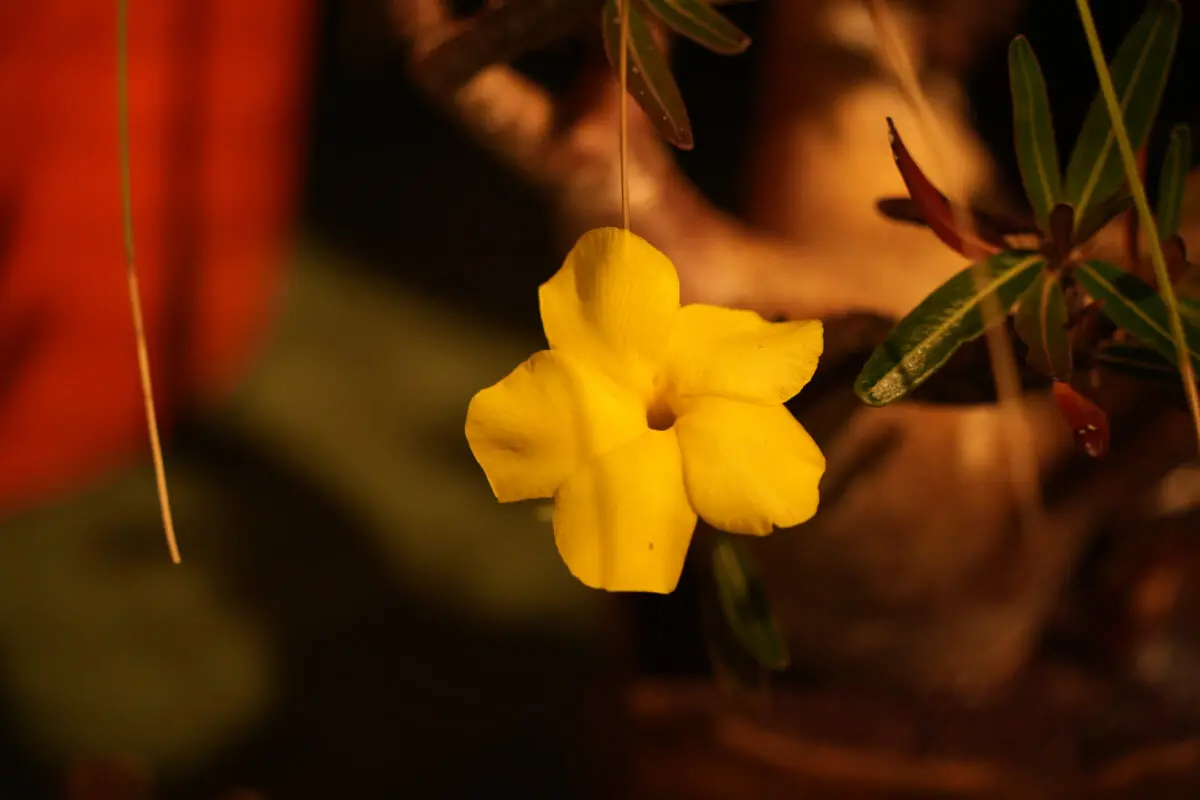
At f2.8 and 88mm the depth of field collapsed so aggressively that only a sliver of each petal stayed in focus — everything else went mushy in a way that read as a mistake, not artistic intent. Stepping to f4.5 and letting ISO climb to 3200 on the a7 M4 gave me a thin but readable plane of focus across the flower face. Modern sensors handle 3200 cleanly. A slightly soft background from diffraction at f8 does not.

Lesson 2: f5 Is the Workhorse Stop, Not f2.8
Across all 13 frames, my median aperture was f5. Not f2.8, which is the number that sells the lens. f5 is where the Tamron resolves detail without demanding millimeter-precise focus placement. On a subject like a cactus top-down, where every bloom competes for attention, f5 gives you just enough coverage to make compositional choices matter.


Lesson 3: The Wide End Is for Context, Not Detail
I reached for 28mm exactly once indoors. Outside, it became my environmental frame. When I wanted to show where I was — willow trees, a pond, the garden architecture — f2.8 at 28mm pulled everything in with ISO 100 in full sun. The lesson is not to fight the wide end’s natural tendency to include. Use it when inclusion is the point.

Lesson 4: Focus Placement Matters More Than Aperture Choice
For small flowers on woody stems, the question is never just “how much depth of field?” It is where inside the flower the focus lands. On a five-petaled subject, placing focus on the stamens rather than the nearest petal rim makes the difference between a flower that reads as alive and one that reads as a blurry smear with a sharp edge.


Lesson 5: 200mm for Compression and Distance
The water lily pond was roped off. I could not physically get closer. At 200mm and f10 I compressed the two blooms together so the lily pads between them disappeared visually, creating the impression I was standing right at the water’s edge. That compression is not cheating — it is using the tool correctly.

Backing off to 130mm and f5 on the same pond gave me a different image — more pads, more surface, the flowers as color accents rather than subjects. Same subject, different focal length, completely different argument.

Lesson 6: Wide-Angle for Architecture, but Stop Down
Ending the session at the pavilion overlook, I returned to 28mm — but this time stopped to f10 to keep the reflections, the pavilions, and the lotus foreground all in focus simultaneously. f2.8 wide at a distance scene like this produces no compression benefit and loses critical sharpness in the corners. f10 at 28mm in full sun at ISO 125 is just physics working in your favor.

The Bottom Line
The Tamron 28-200mm is not a lens you shoot at its extremes most of the time. My median focal length across a full day was 118mm. My median aperture was f5. The lesson that surprised me most: the lens does its best work in the middle of its own range, where optical compromises are smallest and your creative decisions — focus placement, working distance, compression — matter most. The f2.8 maximum and the 200mm reach are tools for specific problems. Know which problem you are solving before you reach for either end.